

Learn practical strategies to identify risks early, control project costs, improve forecasting accuracy, and keep homebuilding projects profitable.
Download the Threadkore App Now!
Have you ever completed a project on schedule, only to discover months later that it was far less profitable than expected? For many homebuilders managing multiple communities, cost overruns rarely come from one major mistake. They typically result from dozens of small issues, outdated budgets, inconsistent selections, delayed purchasing decisions, material price fluctuations, and limited visibility into actual costs.
The financial impact can be significant. Nearly half of construction professionals identified rising costs and budget pressures as one of the industry’s most significant business challenges, highlighting how widespread cost control issues remain across the sector.
The good news is that preventing overruns does not require slowing down production. With disciplined planning, proactive construction cost management, and the right contractor accounting software, builders can identify risks early, protect margins, and maintain project momentum.
In this blog post, we’ll explore how homebuilders can prevent cost overruns across multiple projects without sacrificing build speed.
Here are the key steps we’ll discuss:
- Step 1: Identify where cost overruns actually begin.
- Step 2: Build accurate budgets and cost breakdown structures before construction starts.
- Step 3: Align planning, purchasing, and field execution.
- Step 4: Secure pricing through strategic supplier and trade agreements.
- Step 5: Track actual costs continuously and forecast future risk.
- Step 6: Leverage contractor accounting software.
Step 1: Identify Where Cost Overruns Actually Begin
Many builders focus on the moment costs exceed the budget, but the real problem often starts weeks or months earlier. Finding the source of cost leakage early is the first step toward effective construction cost management.
How to do it:
- Analyze Historical Variances
Review completed projects to identify recurring gaps between estimated and actual costs. Look for patterns across labor, materials, site conditions, upgrades, and trade performance rather than treating every overrun as a unique event. - Audit Change Sources
Track where changes originate throughout the project lifecycle. Repeated design revisions, buyer modifications, scope adjustments, and field-driven decisions often create hidden cost increases that accumulate over time. - Examine Handoff Gaps
Study how information moves between estimating, purchasing, accounting, and field teams with the help of contractor accounting software. Many overruns occur when assumptions made during planning fail to reach the teams responsible for execution. - Compare Budget Assumptions
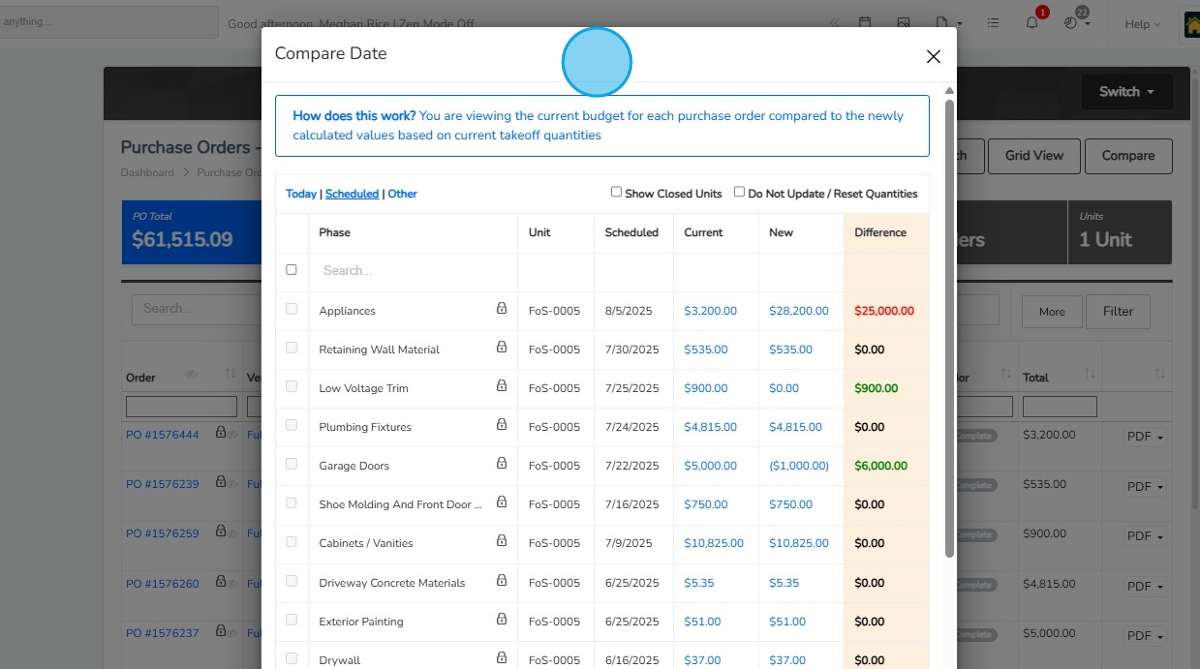
Evaluate whether original estimates reflect current market conditions and operational realities. Modern contractor accounting software helps builders connect assumptions with actual project performance, making hidden cost drivers easier to identify.
After decades of working with homebuilders, we’ve found that the most damaging overruns rarely come from one large mistake. They typically emerge from small, repeated issues that go unnoticed until profitability is already affected. The builders who consistently protect margins use contractor accounting software not just to report costs, but to uncover patterns, identify risks early, and address the real sources of financial leakage before they impact multiple projects.
Step 2: Build Accurate Budgets and Cost Breakdown Structures Before Construction Starts

Detailed budgeting creates stronger financial control before construction begins
Many cost overruns happen because budgets are too broad or based on incomplete assumptions. Creating detailed cost structures before construction starts gives builders better visibility into where money is being spent and where risks may emerge.
How to do it:
- Break Costs Granularly
Divide budgets into detailed categories covering labor, materials, equipment, site development, upgrades, permits, and warranties. A granular structure makes construction cost management more effective by revealing issues at the activity level instead of after overall budgets are exceeded. - Base Estimates On Data
Use historical project performance, trade pricing trends, and community-specific conditions when building budgets. Modern contractor accounting software can provide valuable historical insights that improve estimate accuracy and reduce budgeting guesswork. - Include Risk Allowances
Allocate contingency amounts for known uncertainties such as site conditions, material volatility, and labor fluctuations. Separating risk reserves from operational budgets prevents unexpected expenses from distorting project financial performance. - Align Cost Codes
Ensure estimating, purchasing, accounting, and field teams use the same cost categories throughout the project lifecycle. Consistent coding structures improve reporting accuracy and allow contractor accounting software to deliver more meaningful financial analysis across projects.
Strong budgets do more than control spending, they establish the foundation for reliable forecasting and long-term construction cost management. We have seen that profitable projects are rarely the result of aggressive cost cutting. They begin with disciplined planning, supported by contractor accounting software, where every dollar has a purpose before construction even starts.
Step 3: Align Planning, Purchasing, and Field Execution
Many cost overruns occur when planning decisions, purchasing activities, and field operations are not synchronized. When these functions operate together, builders can reduce waste, avoid delays, and improve overall project performance.
How to do it:
- Connect Procurement Timelines
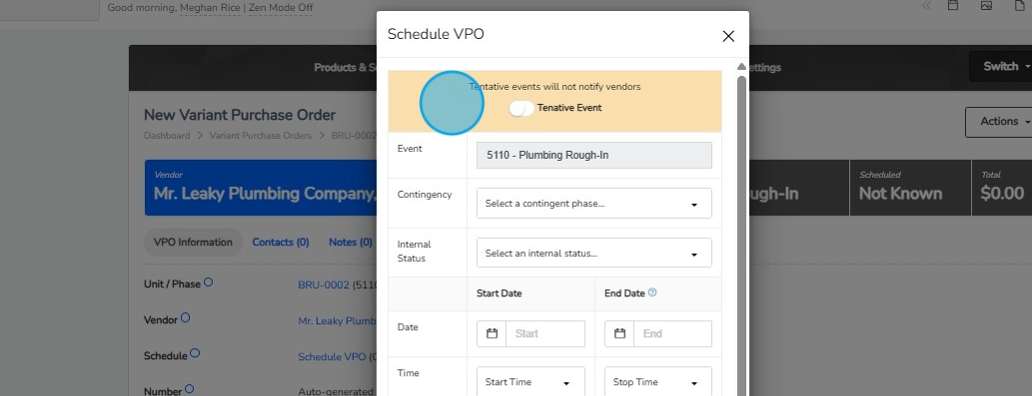
Tie material purchasing schedules directly to construction milestones and trade activities. Using contractor accounting software, teams can better coordinate procurement timing with project progress, reducing unnecessary inventory costs and delivery-related disruptions. - Monitor Resource Readiness
Verify labor availability, material deliveries, permits, and equipment requirements before each construction phase begins. This proactive approach strengthens construction cost management by preventing idle crews, rushed purchases, and schedule-related inefficiencies. - Coordinate Cross-Functional Decisions
Bring Planning, Purchasing, Accounting, and Field Operations together when evaluating project changes. Shared decision-making helps teams understand financial, operational, and scheduling impacts before committing resources. - Link Field Feedback
Create processes that allow field teams to report site conditions, delays, and emerging risks immediately. Integrated contractor accounting software helps connect field observations with budgets, forecasts, and operational planning for faster corrective action.
The strongest homebuilding operations don’t treat planning, purchasing, and field execution as separate activities. They function as one connected process where every decision supports stronger construction cost management and better project outcomes. Organizations that leverage contractor accounting software to connect operational and financial workflows are often the first to identify risks and the fastest to respond.
Step 4: Secure Pricing Through Strategic Supplier and Trade Agreements

Strategic supplier partnerships help stabilize pricing and protect project margins
Material and labor costs can change significantly over the course of a project. Establishing long-term supplier and trade relationships helps builders gain greater cost stability and improve budgeting accuracy before construction begins.
How to do it:
- Negotiate Volume Commitments
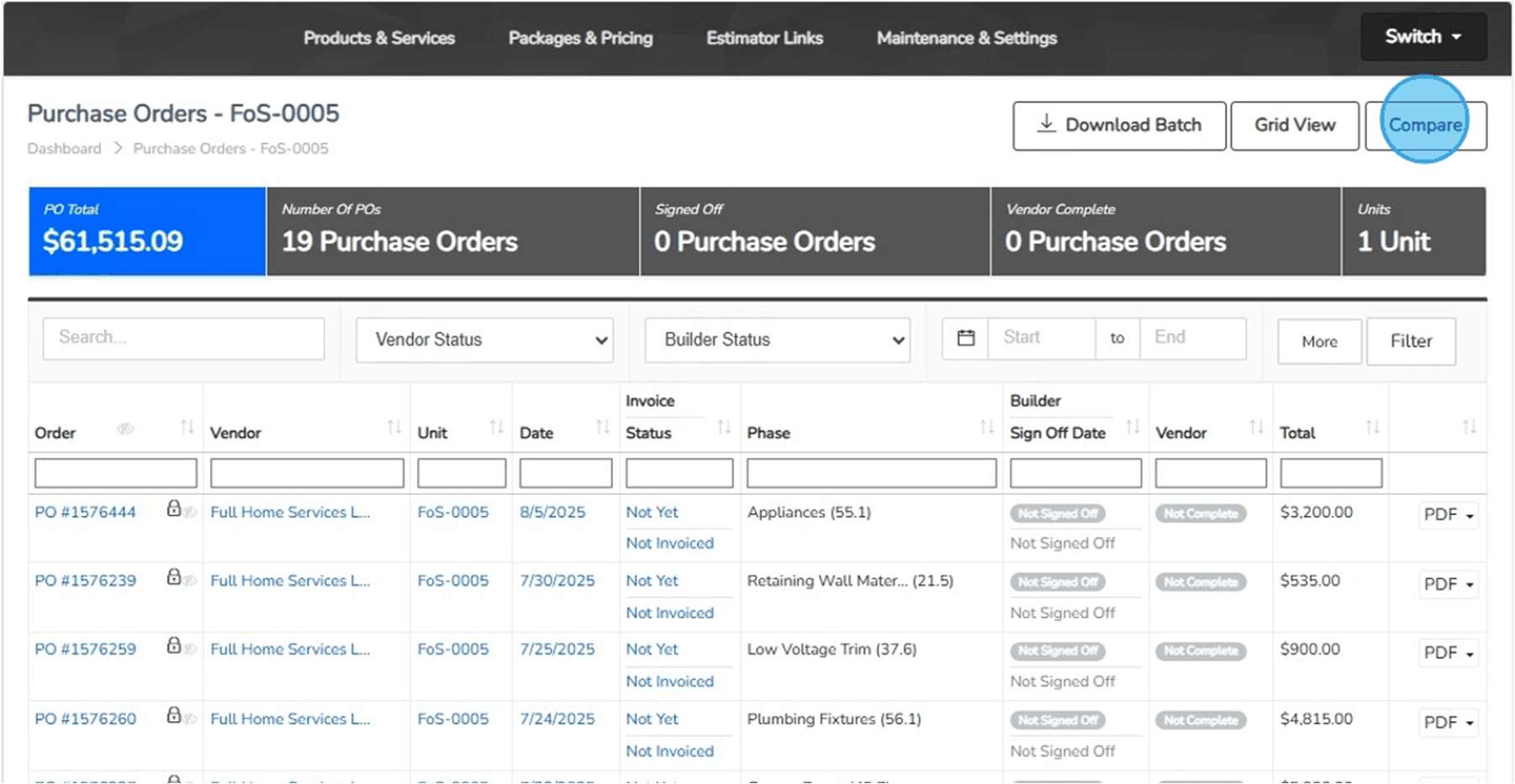
Leverage purchasing volume across multiple communities to secure more favorable pricing terms. This approach strengthens construction cost management by reducing exposure to market fluctuations and improving cost consistency across projects. - Lock Key Pricing
Identify high-impact materials and trades where pricing volatility creates the greatest financial risk. Reliable contractor accounting software can help analyze spending trends and prioritize which agreements should be secured first. - Establish Performance Terms
Include service expectations, delivery requirements, quality standards, and escalation procedures within supplier agreements. Well-defined expectations reduce operational disruptions that often create hidden costs throughout the construction process. - Diversify Supplier Networks
Develop relationships with multiple qualified suppliers and trade partners for critical categories. When supported by contractor accounting software, builders can evaluate supplier performance, spending patterns, and pricing trends more effectively.
Strategic agreements are not simply about obtaining lower prices. The real advantage comes from creating greater predictability, which improves forecasting accuracy and strengthens long-term construction cost management across every community. Builders that use contractor accounting software to understand spending patterns are better positioned to negotiate from strength and avoid unnecessary financial surprises.
Step 5: Track Actual Costs Continuously and Forecast Future Risk
Many builders review costs only after major milestones are completed. By then, corrective actions are often limited. Tracking actual costs continuously allows teams to detect trends early and respond before small issues become significant financial problems.
How to do it:
- Monitor Cost Variances
Compare actual spending against budgets at every phase of construction rather than waiting for month-end reviews. Strong construction cost management depends on identifying cost deviations quickly, while there is still time to take corrective action. - Forecast Remaining Costs
Estimate the expected cost to complete each project based on current performance and emerging conditions. Advanced contractor accounting software helps teams project future financial outcomes instead of relying solely on historical reporting. - Track Leading Indicators
Monitor schedule delays, material waste, change orders, labor productivity, and procurement disruptions. These indicators often reveal future budget risks long before they appear in financial statements. - Evaluate Portfolio Trends
Analyze cost performance across multiple communities, product lines, and construction phases. Integrated contractor accounting software provides visibility into recurring patterns that may otherwise go unnoticed at the individual project level.
Effective forecasting is not about predicting the future perfectly. The goal is to recognize developing risks early enough to make informed adjustments and maintain stronger construction cost management across active projects. Builders who regularly review cost trends, supported by contractor accounting software, often identify warning signs months before those issues affect project profitability.
Step 6: Leverage Contractor Accounting Software
Managing multiple communities becomes increasingly difficult when financial, operational, and project data are scattered across separate systems. A unified platform helps teams make faster decisions using accurate, up-to-date information.
How to do it:
- Centralize Financial Data
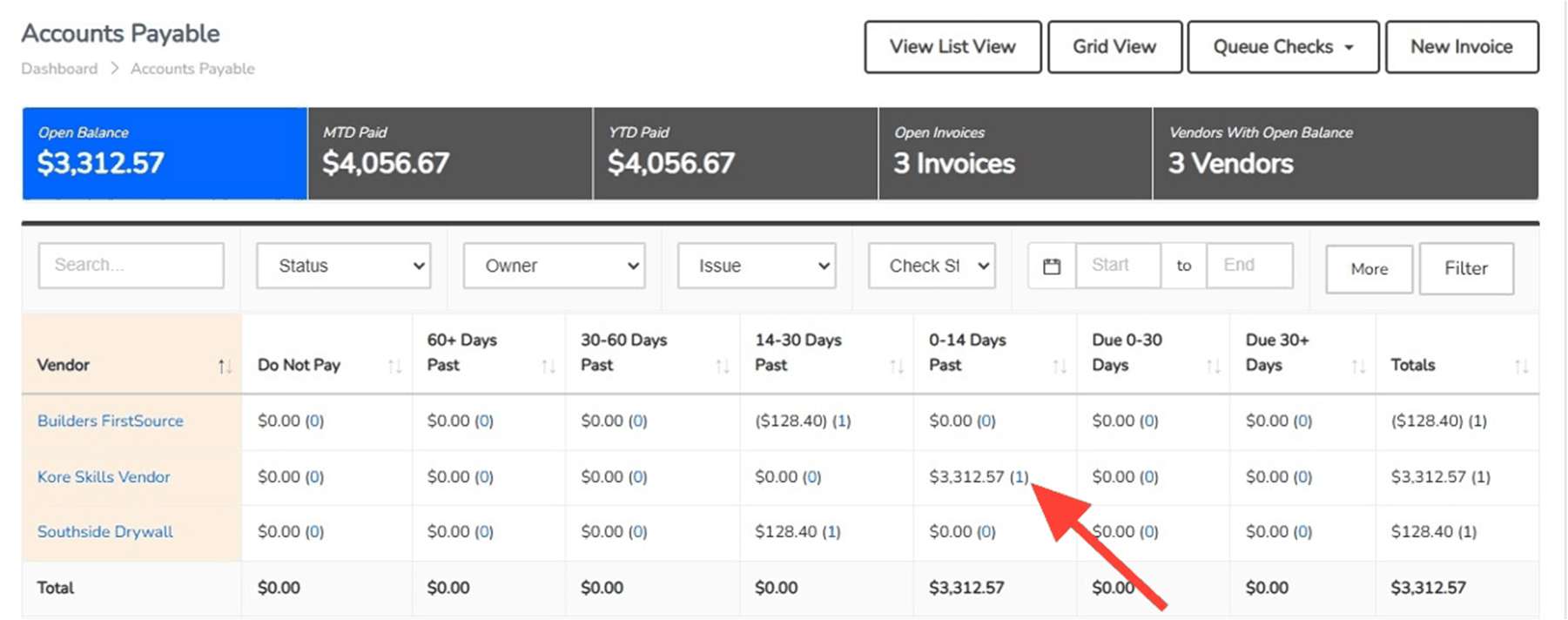
Bring budgets, commitments, invoices, change orders, forecasts, and job costs into one connected environment. Modern contractor accounting software eliminates fragmented reporting and helps teams work from consistent financial information. - Connect Operational Insights
Link purchasing, scheduling, field activities, and accounting data to understand how operational decisions affect project profitability. Platforms such as ThreadKore help builders strengthen construction cost management by connecting financial and operational workflows in real time. - Automate Cost Controls
Set up approval workflows, spending thresholds, exception alerts, and variance monitoring across projects. Automation reduces manual oversight requirements while helping teams identify financial risks before they escalate. - Improve Forecast Accuracy
Use real-time project performance data to update forecasts continuously rather than relying on static reports. Advanced contractor accounting software allows builders to evaluate future financial outcomes using current project conditions and trends.
The most effective technology does not simply generate reports; it helps teams understand what actions should be taken next. When combined with disciplined construction cost management, software becomes a practical tool for improving financial performance. The strongest results typically come when contractor accounting software provides timely information that supports sound operational decisions rather than retrospective analysis alone.
Pro Tip: Focus on Cost Signals, Not Just Cost Reports
Cost overruns are easier to prevent than to fix. The most successful builders monitor early warning signs continuously and act before financial issues become visible in project-level reporting.
Organizations typically achieve stronger construction cost management when they focus on emerging risks rather than historical results. Supported by contractor accounting software, this approach helps teams make proactive decisions before small cost issues become major financial problems.
Protect Margins While Keeping Every Homebuilding Project Moving Forward
Preventing cost overruns is not about slowing down construction; it is about making better decisions earlier. By identifying cost risks, building stronger budgets, aligning operations, securing pricing, and improving visibility, builders can strengthen construction cost management while maintaining production momentum. The right contractor accounting software supports this process by connecting financial and operational data, helping teams respond to issues before they impact profitability.
ThreadKore helps homebuilders bring budgeting, purchasing, accounting, scheduling, and field operations together in one connected platform. Explore how ThreadKore can help your team gain real-time cost visibility, improve forecasting accuracy, reduce financial surprises, and manage multiple projects with greater operational control.
Build More Homes Profitably With One Unified System Guiding Every Decision
Preventing cost overruns requires more than better estimates; it requires connected operations, real-time visibility, and disciplined execution. ThreadKore helps homebuilders unify financial and operational workflows, creating a single source of truth that supports smarter decisions across every community and project.
Key Takeways:
- Identify root causes before overruns impact project profitability.
- Build detailed budgets using historical and operational cost data.
- Align planning, purchasing, and field teams around shared goals.
- Secure pricing early to reduce exposure to market volatility.
- Use contractor accounting software for continuous cost visibility.
ThreadKore combines operational workflows with construction cost management capabilities, helping builders reduce financial surprises while scaling efficiently. With integrated reporting and contractor accounting software, teams can manage costs proactively instead of reacting after problems emerge.
Reduce construction cost overruns, improve operational coordination, and scale with confidence.
FAQ
1. We’re already managing costs with spreadsheets and accounting tools. Do I really need another system?
Spreadsheets can work for smaller operations, but managing multiple communities often creates visibility gaps. The challenge isn’t collecting data; it’s connecting it. A unified approach helps teams see cost impacts earlier and supports more consistent construction cost management across projects.
2. How do I know we’ll actually catch cost overruns before they become major problems?
Early detection depends on timely, accurate information. When purchasing, field operations, scheduling, and accounting data are connected, teams can identify trends sooner. Effective contractor accounting software helps surface cost variances and potential risks before they significantly affect project profitability.
3. Will implementing a new system slow down our builds during the transition?
A successful implementation should focus on minimizing disruption and improving existing workflows. Most builders benefit when teams spend less time reconciling information and more time managing projects. The objective should be operational efficiency, not adding complexity.
4. How can I trust the financial information if multiple departments are updating it?
Reliable financial visibility comes from standardized processes, defined responsibilities, and shared data. When information is entered once and used across departments, inconsistencies are easier to identify, helping teams make decisions based on the same set of project facts.
