
How Olivia, VP of Operations, used a construction ERP software to eliminate upgrade errors and unify lifecycle visibility across 350 homes.
Discover how her journey reshaped performance across every department.
In residential construction, small mistakes often snowball into major setbacks, causing severe financial loss. Missed updates, miscommunicated selections, and delayed approvals don’t just slow a single home; they multiply across entire communities. For growing builders managing hundreds of homes, these gaps can mean rework, lost revenue, and frustrated buyers.
Olivia, 42, VP of Operations at a fast-growing residential builder managing 350 homes, faced this exact challenge. Her teams worked hard, yet disconnected tools and fragmented workflows were creating blind spots at every stage, from design selections to field execution.
Despite experienced staff and documented processes, errors kept slipping through and damaging their construction projects and profit margins.
See how Olivia identified the gaps and addressed them with the help of a construction ERP software to keep her projects on track.
How Disconnected Tools Were Driving Costly Errors Across 350 Homes
Olivia’s company was growing fast, managing sales, upgrades, scheduling, and warranty tracking across 350 homes, but each function ran on its own tool. While everything seemed organized, small misalignments would often come to her notice.
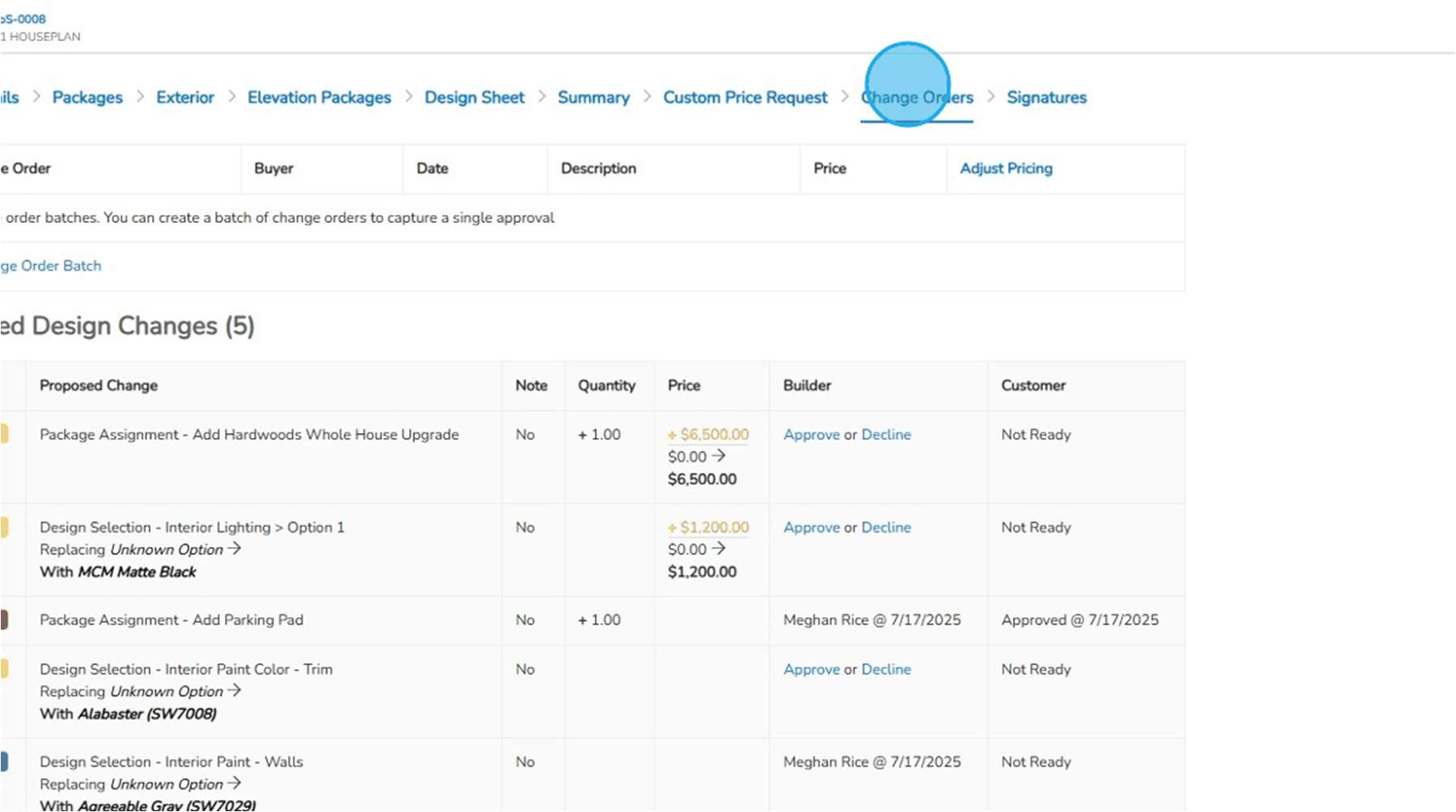
When buyers requested upgrades, the design team updated one system, purchasing another, and field teams relied on printed schedules. Updates lagged, rework multiplied, and high-margin upgrades were often missed or installed incorrectly.
These fragmented processes created blind spots that threatened both profits and customer satisfaction. Olivia realized this was a structural problem that would only worsen as her communities expanded. The stakes were clear: without unified operations, costly errors were inevitable
The Flooring Incident That Exposed Systemic Gaps in Operations
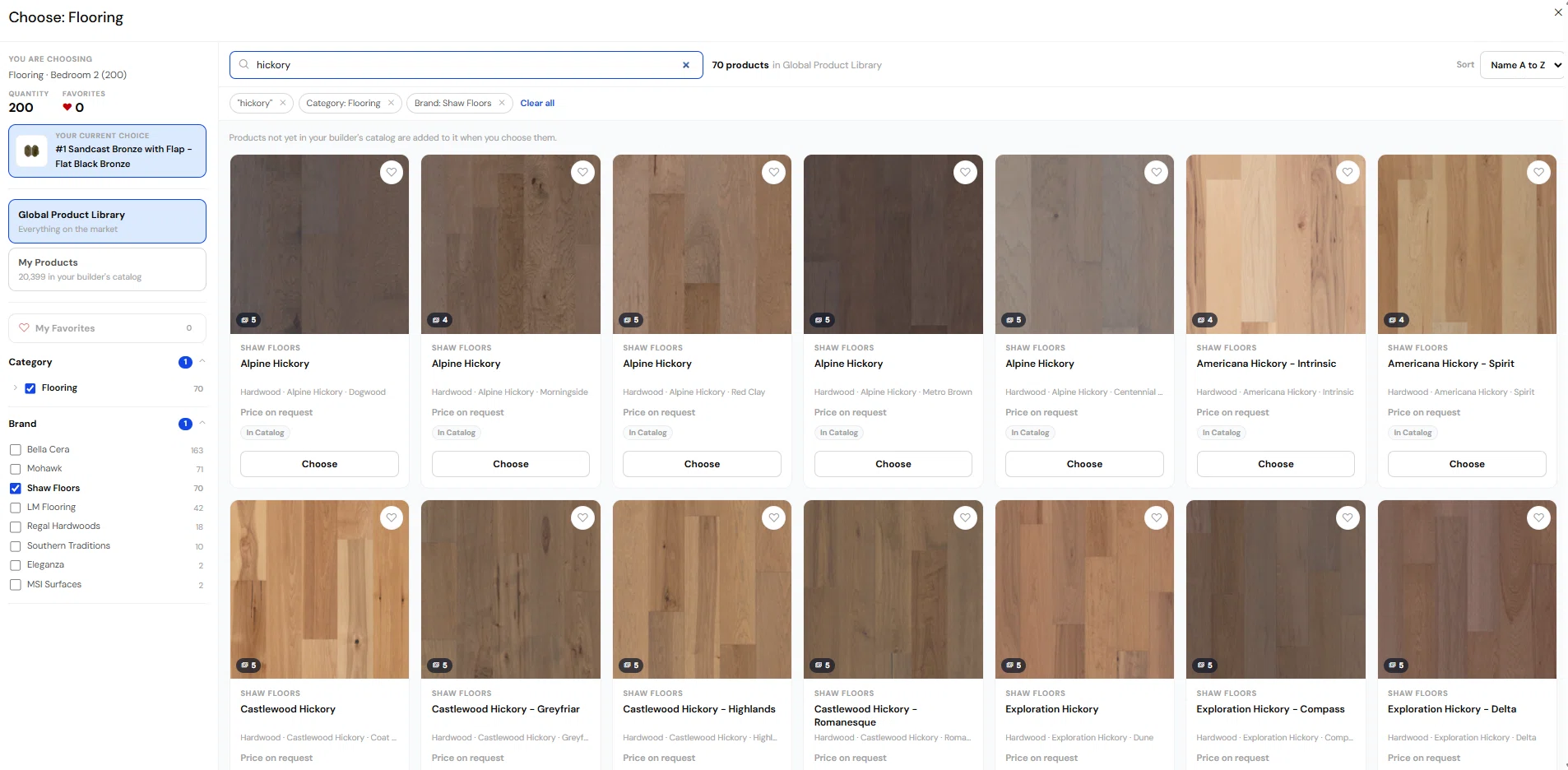
The breaking point came during a walkthrough in one of Olivia’s flagship communities. Weeks earlier, a buyer had selected upgraded hardwood flooring, a high-margin choice carefully documented by Design. The update was entered into one system but never synchronized with scheduling. Purchasing never received the change, and Field Operations relied on printed schedules.
On installation day, standard laminate went in. The homeowner paused mid-step. “This isn’t the flooring we chose,” she said, controlled but unmistakably disappointed.

When teams rely on disconnected systems, critical updates slip through, and costly mistakes follow
The superintendent flipped through his clipboard. “This is what was scheduled.” Design responded, tight-lipped, “We updated that selection weeks ago.” Purchasing added defensively, “That’s not what came through our system.” Silence filled the room. Olivia felt the frustration of the client and their credibility slipping away one excuse at a time. She contained the situation somehow, but that was not the end of her troubles.
Correcting the mistake required tearing out the newly installed flooring, expediting replacement materials, renegotiating trade schedules, and delaying closing by nearly three weeks. Labor costs piled up daily, lost upgrade revenue added pressure, and schedule disruptions amplified operational chaos. The margin on that home evaporated.
As Olivia reviewed past reports, a troubling pattern emerged: similar upgrade errors had occurred across multiple homes. Each disconnected tool, fragmented workflow, and delayed update amplified risk, threatening profitability, buyer satisfaction, and her team’s credibility.
She realized that without a system connecting design, purchasing, and field operations in real time, errors weren’t accidental; they were inevitable. The urgency to implement a solution became undeniable.
How ThreadKore’s Construction ERP Software Gave Olivia Full Control Across 350 Homes
After the flooring incident, Olivia knew the problem wasn’t her team; it was the systems. Over the next few weeks, she attended regional homebuilder roundtables and online discussions with peers managing hundreds of homes.
One name kept coming up: ThreadKore, a unified construction ERP software purpose-built for residential builders. She heard stories of builders finally stopping costly upgrade errors, gaining real-time visibility, and coordinating trades without rework or idle labor.
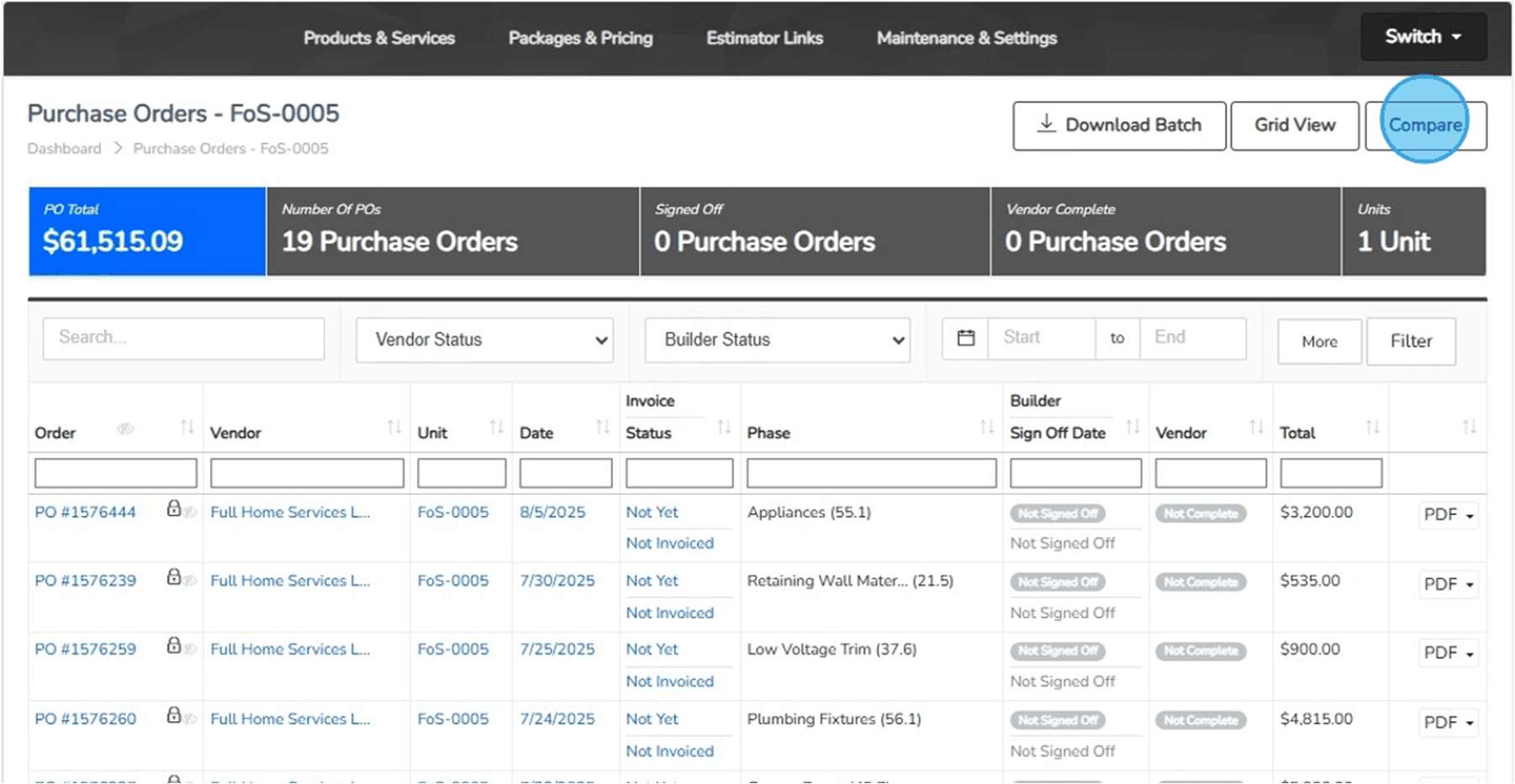
Curious, Olivia scheduled a live demo with ThreadKore and walked through her team’s actual workflows. She tested how a design upgrade would flow from Design to Purchasing to Field Operations.
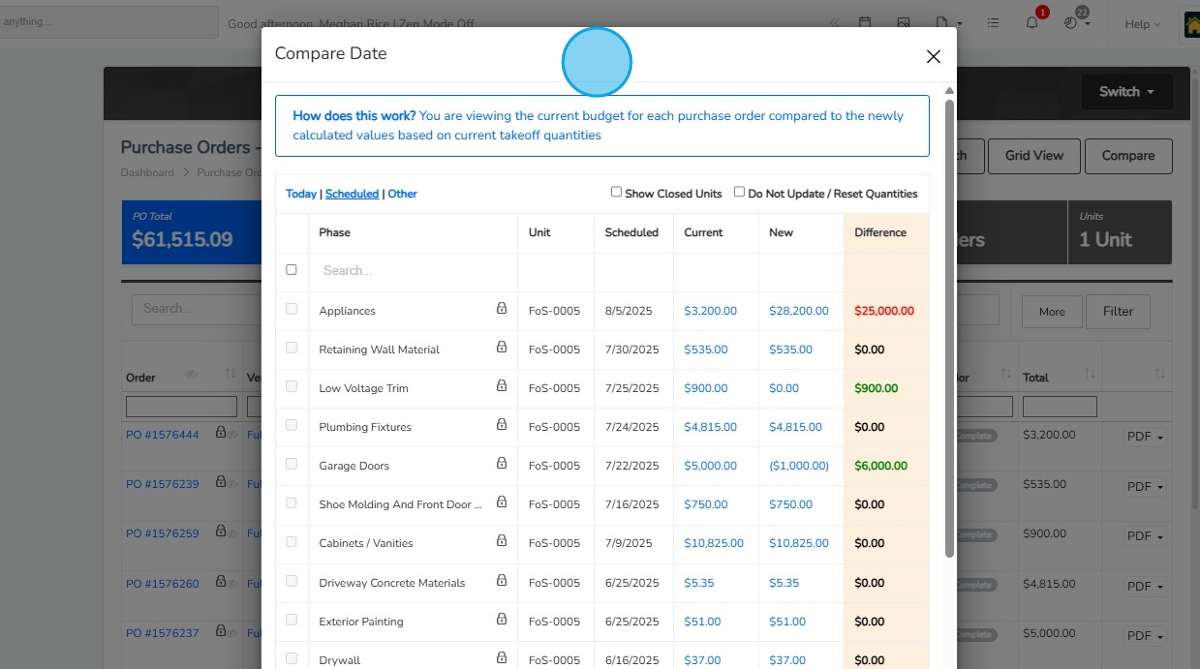
Unlike her current tools, ThreadKore connected every department in real time, showing exactly how site conditions, trade schedules, and budgets would adjust automatically. Other platforms she had tried either left gaps or required constant manual checks, confirming that a partial solution wouldn’t solve her problem.

With real-time visibility, teams align faster, make confident decisions, and prevent costly errors before they escalate
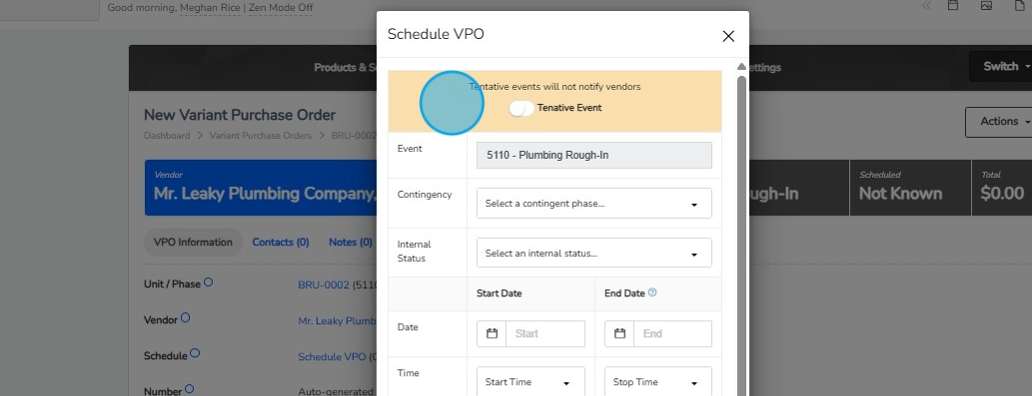
Within the first month of piloting ThreadKore, she noticed immediate improvements. Upgrade selections are now updated instantly across departments. Trade schedules adjusted automatically when dependencies shifted.
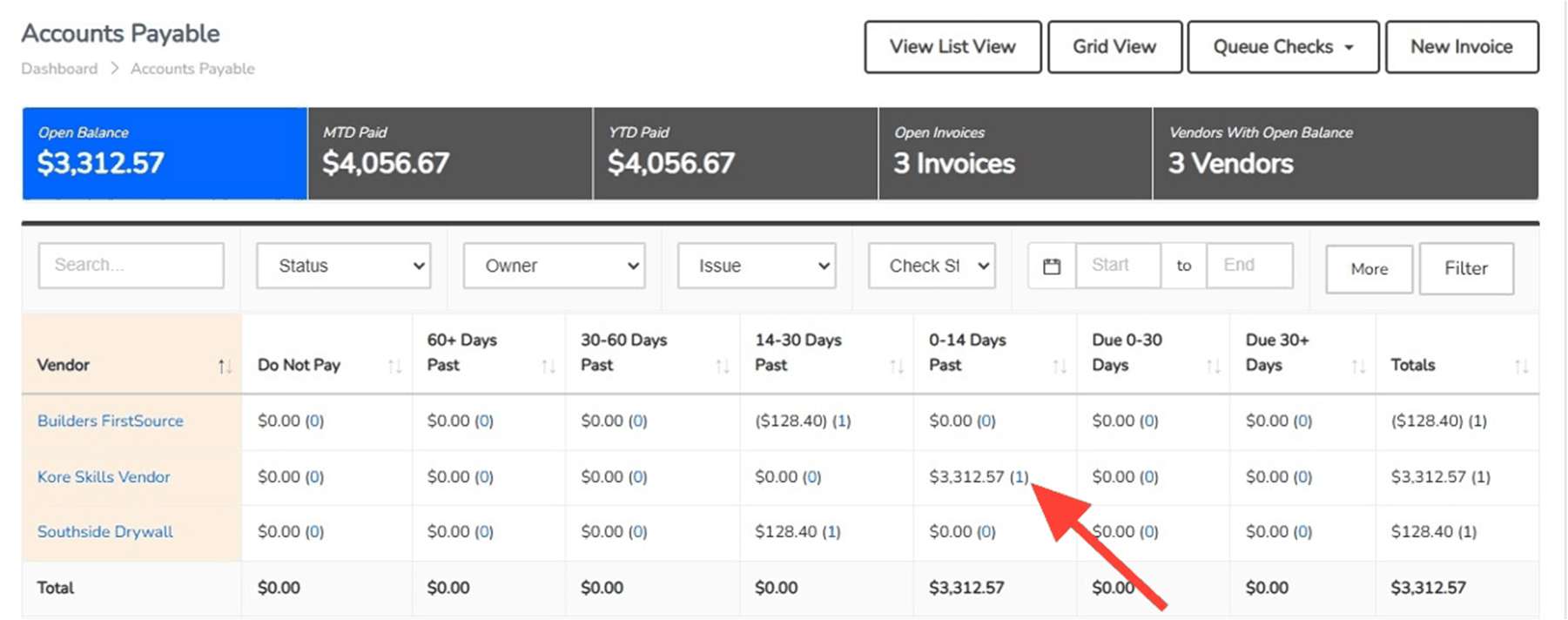
Accounting data, previously delayed by weeks, was now real-time, letting her team catch potential overruns while building the first home. Daily meetings shifted from firefighting errors to confidently planning work, and her teams started proactively preventing mistakes rather than reacting to them.
For Olivia, the transformation went beyond efficiency. It was empowerment. Rework declined, workflow delays dropped, and every department began working from a single source of truth. With ThreadKore construction ERP software, she finally had a system that connected her operations, eliminated guesswork, and gave her the confidence to scale without compromise.
How ThreadKore Construction ERP Software Eliminates Upgrade Errors and Lifecycle Silos
- Unified platform replacing isolated systems
- Real-time financial visibility across departments
- Connected scheduling and material tracking
- Centralized construction document management
- Single source of truth, no spreadsheet chaos
From Chaos to Control: How ThreadKore Construction ERP Software Protects Your Margins
Olivia’s experience reflects a broader reality for growing homebuilders: fragmented systems don’t just create isolated errors, they quietly compound risk across every home. By moving to a unified system, she eliminated the blind spots that allowed upgrade mistakes, delays, and rework to repeat.
With real-time visibility across design, purchasing, field operations, and accounting, her team began catching issues early instead of correcting them late. Decisions became faster, coordination improved, and margins stabilized.
Unlike disconnected tools that react after the damage is done, a unified construction ERP software enables builders to prevent problems before they scale. For teams managing hundreds of homes, this is the difference between preventing errors early or watching them repeat across every new build.
Take control of your operations and protect your margins with ThreadKore.
FAQs
Q1. Will implementing a construction ERP software disrupt ongoing projects?
A unified construction ERP software is typically implemented in phases, allowing teams to continue operations while workflows are gradually aligned. Instead of disruption, most builders see immediate improvements in coordination, with fewer errors and less back-and-forth between teams.
Q2. How difficult is it for teams to adopt a construction ERP software across departments?
Adoption becomes easier when teams move from spreadsheets and disconnected tools to a single shared system. Because everyone works from the same real-time data, communication improves naturally, reducing manual follow-ups and confusion between design, purchasing, and field operations.
Q3. Is a construction ERP software worth the investment for mid-sized home builders?
For builders managing multiple homes or communities, the cost of rework, delays, and missed upgrades often outweighs the cost of implementation. A construction ERP software helps catch issues early, prevent repeated mistakes, and protect margins across every home.
Eliminate Upgrade Errors and Protect Margins at Scale with ThreadKore’s Construction ERP Software
Streamline every stage of your build with a unified construction ERP software that reduces errors, eliminates rework, and keeps projects on time and on budget.
Key Takeaways:
- Real-time updates prevent misalignment
- Unified documents reduce rework
- Connected teams improve coordination
- Live scheduling strengthens execution
- Integrated ERP software protects margins
Scale your builds confidently with ThreadKore.
