

How Daniel uncovered hidden margin losses and gained real-time financial visibility across 500 homes with a construction ERP software.
Discover how his journey transformed financial visibility and restored confidence.
In large-scale residential construction, cost overruns are not new. They build gradually when financial data doesn’t reflect what’s happening on-site in real time, leading to delayed decisions and shrinking margins.
Daniel, a 45-year-old CFO overseeing operations across 500 homes, began noticing this pattern across his subdivisions. Despite experienced teams and structured processes, financial reports often relied on disconnected construction management tools, failing to capture real-time cost changes from field activity and purchasing.
Daniel was clearly struggling without a unified construction ERP software; critical financial updates were delayed, allowing small cost gaps to repeat across multiple homes before they could be corrected.
Discover how Daniel identified these hidden risks and regained financial control across his subdivisions.
Fragmented Construction Project Management Was Silently Eroding Profit
Daniel’s company was operating across multiple subdivisions with overlapping trades, vendor contracts, and staggered closings. On the surface, everything appeared stable. Schedules were progressing, and teams were delivering as expected.
But financial visibility was always a bottleneck. When site conditions changed or material costs shifted, field teams and purchasing adapted quickly. However, those updates did not consistently flow into financial systems.
Each team had access to its own data, but there was no unified view connecting operational activity with financial outcomes. So, even though Daniel knew his profit margins were draining, he didn’t know how to identify or prevent them.
At a smaller scale, these gaps might have gone unnoticed. Across 500 homes, they created a compounding risk that was increasingly difficult to control.
The Budget Review That Exposed a 500-Home Financial Vulnerability
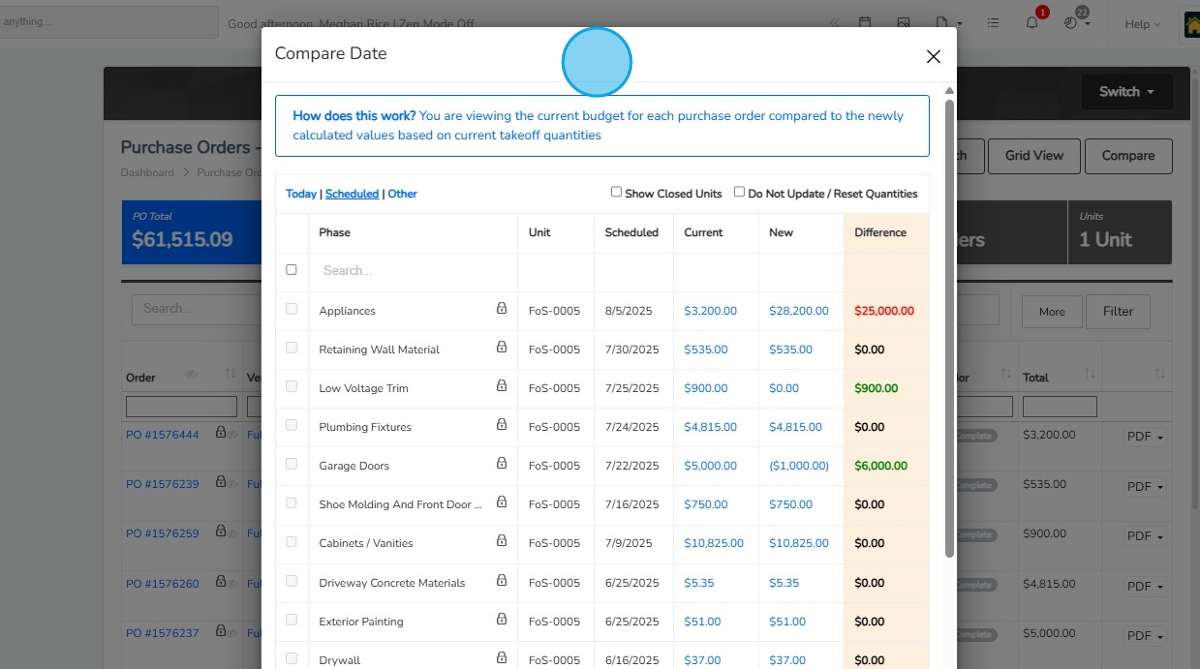
The turning point came during a quarterly financial review. Daniel paused on a cost variance in one subdivision that didn’t align with expectations. He asked his team to walk him through the change.
They explained that soil conditions had required additional work earlier in the quarter. The adjustment had already been made on-site, and construction continued without delay. But the financial reports within their construction management ecosystem still reflected the original estimate.
So, the cost existed in reality, but not in the numbers guiding decisions. That discrepancy was enough to unsettle him.
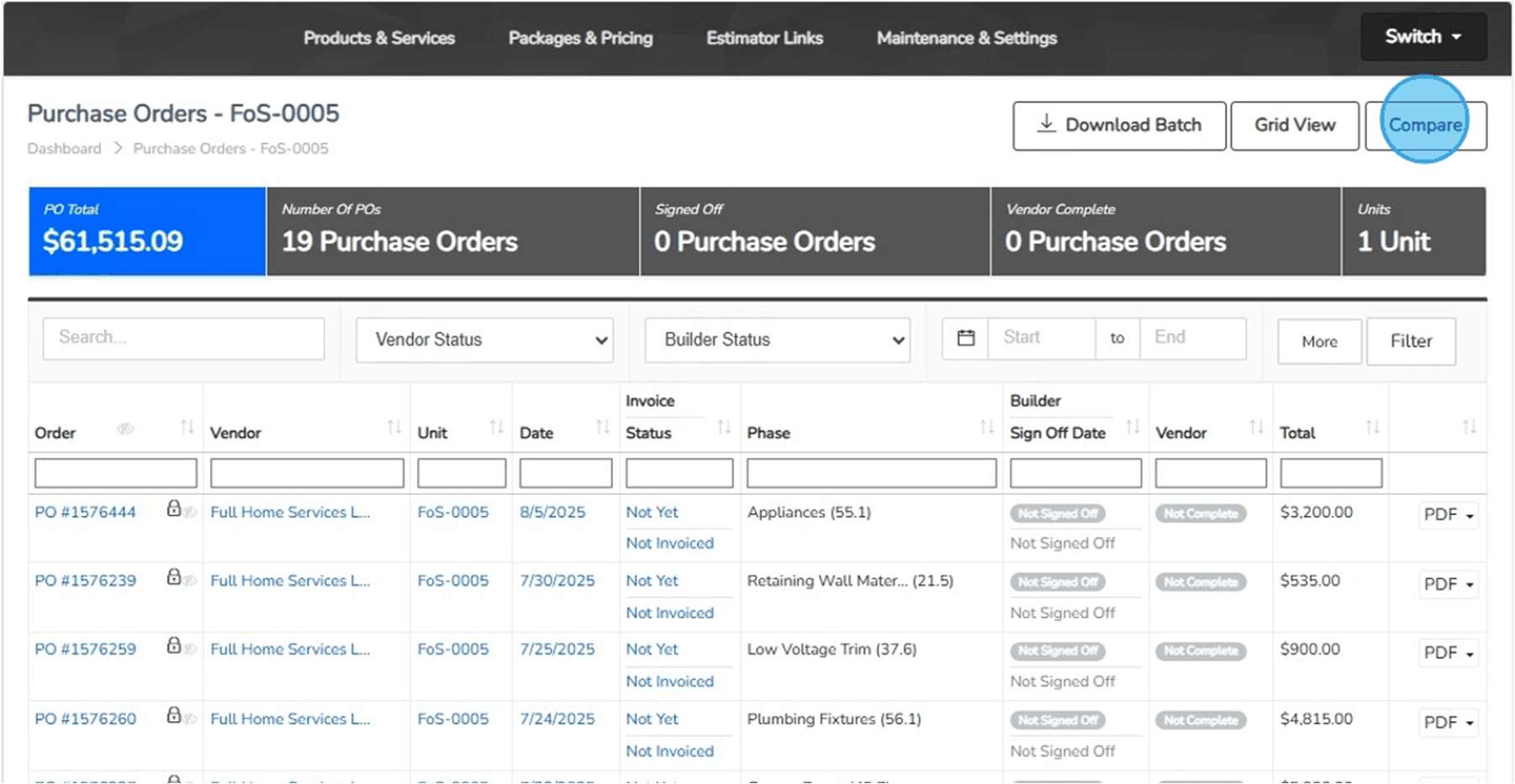
He reviewed other subdivisions. In one, material costs had increased, and purchasing had already adapted. Yet those updates had not been reflected in pricing at the same time. Homes were being planned using outdated assumptions. The more Daniel looked, the clearer the pattern became.
Each team was operating effectively within its own systems, but those updates were not coming together into a single, accurate financial view. Decisions were being made with incomplete information, and by the time discrepancies appeared, it was already too late to correct them without impact.

Hidden cost gaps during active construction
Across 500 homes, small cost gaps were no longer isolated. They were repeating across subdivisions, quietly eroding margins and weakening forecast reliability.
Daniel realized that without a system connecting field activity, purchasing decisions, and financial reporting in real time, these errors would continue to repeat. The question was no longer whether there was a problem. It was how long they could afford to operate this way.
How ThreadKore’s Construction ERP Software Restored Financial Control
Daniel did not immediately begin evaluating vendors. Instead, he spoke with peers. At a CFO roundtable, the name ThreadKore came up. And soon it stood out to him as a true construction ERP software, connecting accounting, purchasing, and field operations into a single real-time environment.
Inspired by the conversation, he scheduled a demo to see the platform in action. The demo was an eye-opener. Users could see how cost changes, trade adjustments, and site conditions impacted financial outcomes as they happened, in real time. Daniel decided to go through with the implementation, and the changes were immediate.

Real-time financial control with connected systems
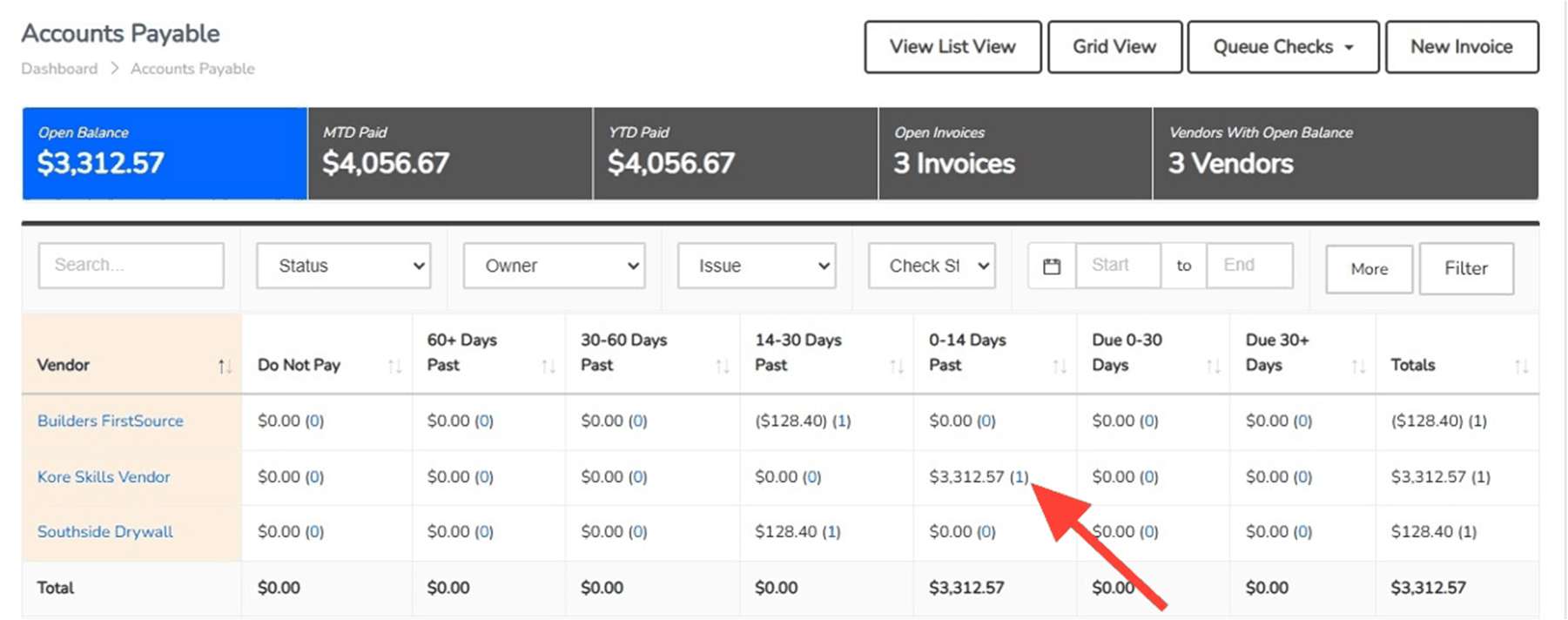
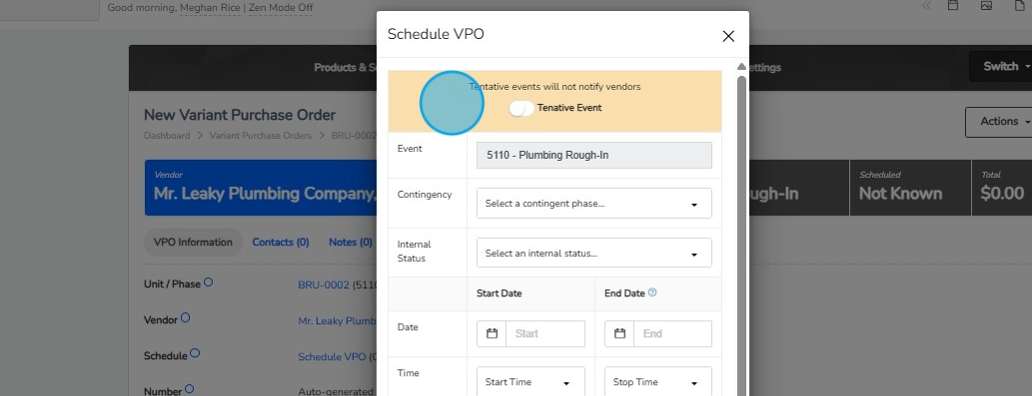
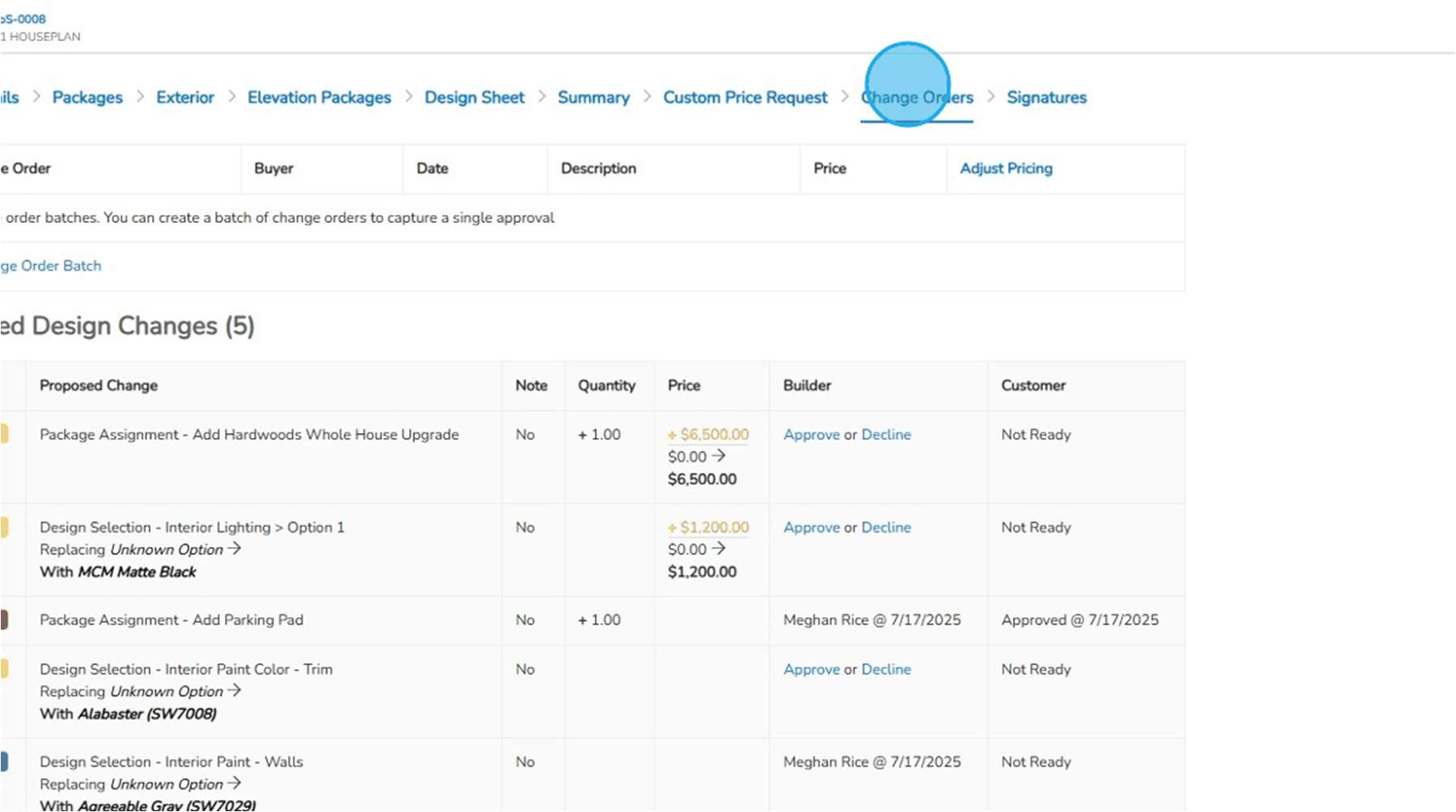
Field updates, vendor pricing changes, and trade adjustments flowed directly into financial dashboards. Forecasts updated in real time. Issues were identified while the first home was still under construction, before they could repeat across multiple subdivisions.
Within two quarters, cost overruns declined, forecast accuracy improved, and margin volatility stabilized. Executive meetings shifted from explaining discrepancies to making forward-looking decisions.
For Daniel, the most important change was not the system itself. It was the ability to act with confidence, knowing that decisions were based on current, accurate data.
How Construction ERP Software Eliminates Financial Blind Spots
- Replace disconnected systems with a unified platform
- Detect cost overruns early before they impact multiple homes
- Align field activity, purchasing, and accounting in real time
- Improve forecasting accuracy using live project data
- Prevent repeated financial errors across subdivisions
Why Builders Are Moving Beyond Construction Accounting Software
Daniel’s experience reflects a broader reality for growing builders. Margin loss is rarely caused by one major failure. It is driven by small visibility gaps that repeat across projects.
Traditional construction accounting software captures financial data, but often fails to reflect real-time operational changes. This delay allows cost gaps to go unnoticed until they have already impacted multiple homes.
A unified construction ERP software eliminates that delay by connecting financial and operational data in real time. Instead of reacting to problems after they occur, builders can identify and correct them early.
For companies managing multiple subdivisions, this shift is critical. Without it, cost gaps continue to replicate across homes. With it, teams gain control, improve forecasting, and protect margins consistently.
Take control of your margins with real-time financial visibility.
FAQs
1. Will implementing construction ERP software disrupt ongoing projects?
Most builders implement construction ERP software in phases, allowing teams to continue operations while gradually improving visibility and coordination.
2. How does construction ERP software improve over construction accounting software?
Construction ERP software connects financial data with real-time operational updates. Unlike construction accounting software, it ensures cost changes are reflected immediately, helping teams act before issues escalate.
3. Is construction ERP software worth the investment for mid-sized builders?
For builders managing multiple projects, relying only on construction accounting software often leads to delayed insights. Construction ERP software helps identify and prevent cost overruns early, protecting margins at scale.
Stop Margin Loss Before It Repeats Across Every Project
Gain real-time financial visibility and eliminate delays between site activity and reporting.
- Live cost tracking improves financial accuracy
- Unified workflows eliminate disconnected systems
- Real-time data strengthens decision-making
- Early detection prevents repeated cost overruns
- Integrated systems protect margins at scale
Take control of your margins before losses multiply.
