
See how conflicting reports and the lack of a system of record led CFO Ryan Mitchell to approve a $5M expansion.
Keep Reading!
Conflicting reports across departments made Ryan’s $5M expansion decision far riskier than it appeared.
Home builders expanding across multiple communities often rely on multiple departmental reports to guide major decisions. But without construction document management software, these reports frequently come from disconnected systems, creating blind spots that leadership cannot easily detect. When operational documents, financial data, and project updates live in separate systems, decisions are often made using outdated or incomplete information.
Ryan Mitchell, a 42-year-old CFO at a growing regional homebuilder constructing nearly 400 homes annually, found himself in exactly this position. Everything pointed toward growth. But beneath the surface, conflicting reports were quietly exposing operational risks.
Ryan’s challenge became clear: He had to make a $5M expansion decision without a single source of truth.
Continue reading to learn how he reshaped his company’s growth, forecasting, and operational visibility.
Rapid Growth Created Hidden Operational Blind Spots
Ryan’s company had spent five years expanding across multiple communities. Sales demand increased steadily, and leadership identified a new 120-lot development opportunity that required a $5M investment. On paper, the expansion looked like a logical next step.
Sales reports showed strong buyer demand and steady upgrade selections. Finance projections, generated through their construction accounting software, indicated stable margins and manageable cash flow. Each department appeared aligned, and leadership felt confident moving forward.
However, the company relied on multiple disconnected systems. Project documents were stored in separate tools, spreadsheets tracked purchasing, scheduling lived in another platform, and accounting operated independently. Without centralized construction document management software, updates across departments were slow and often inconsistent.
Ryan began noticing small discrepancies between reports. Scheduling timelines varied slightly. Material costs appeared inconsistent across communities. Financial projections seemed overly optimistic compared to field-level feedback.
Individually, these issues seemed minor. Collectively, they hinted at a deeper problem.
Ryan knew that scaling operations without unified visibility could create risk, but the opportunity to expand made it difficult to slow down.
Conflicting Reports Begin to Surface
As expansion discussions intensified, Ryan started reviewing departmental reports more closely. That’s when the inconsistencies became harder to ignore.
Sales reported faster closings and strong upgrade selections across communities. Meanwhile, field operations quietly experienced scheduling delays due to limited trade availability and late material deliveries. Purchasing teams noted rising material costs, but these increases had not yet been reflected in projections generated by the construction accounting software.
Finance reports continued showing healthy margins, but they relied on outdated cost assumptions. Meanwhile, design and field teams were already dealing with change orders and minor rework caused by communication gaps.
Ryan attempted to reconcile the data manually. He requested updated spreadsheets, held cross-department meetings, and asked each team to validate assumptions. But each attempt uncovered new discrepancies.
Without centralized construction document management software, the company faced several challenges:
- Cost updates lagged by 30–60 days
- Scheduling changes weren’t reflected across departments
- Upgrade errors created rework not yet recorded financially
- Material price increases hadn’t impacted margin forecasts
Despite these concerns, leadership pressure increased. Land availability was limited, and competitors were expanding quickly. Delaying the decision risked losing valuable growth opportunities.
Then came the trigger incident.
During a quarterly executive meeting, Ryan presented projections for the new community. Midway through the discussion, the VP of Operations flagged that build cycles were extending by nearly two weeks due to trade shortages. Moments later, the purchasing team revealed cabinet costs had increased across multiple communities.
Ryan immediately realized the expansion model was built on outdated assumptions. But land negotiations had already begun. The expansion decision had momentum, and stopping it meant delaying growth.
Ryan now faced a difficult choice: proceed with incomplete visibility or pause expansion and risk losing opportunity.
Discovering the Missing Link to Unified Visibility
By the time the expansion decision became critical, Ryan saw it wasn’t isolated discrepancies but a systemic visibility issue, as no single report showed the full picture.
The turning point came during a regional builders’ roundtable Ryan attended while exploring ways to improve forecasting. Several peers described similar struggles; conflicting reports, delayed cost updates, and margins that looked better on paper than in reality.
One conversation stood out. A fellow CFO explained how aligning operational data with financial systems transformed their decision-making. That conversation led Ryan to explore ThreadKore.
- A Single Source of Truth: Construction document management software connected documents, schedules, and financial data into one system, eliminating silos.
- Real-Time Data Across Teams: Field updates began reflecting quickly in reports, improving accuracy across both operations and construction accounting software.
- Aligned Decision-Making: Teams started working from the same data, reducing conflicts and speeding up leadership discussions.
- More Reliable Reporting: Consistent, real-time reporting reduced the need for manual validation and guesswork.
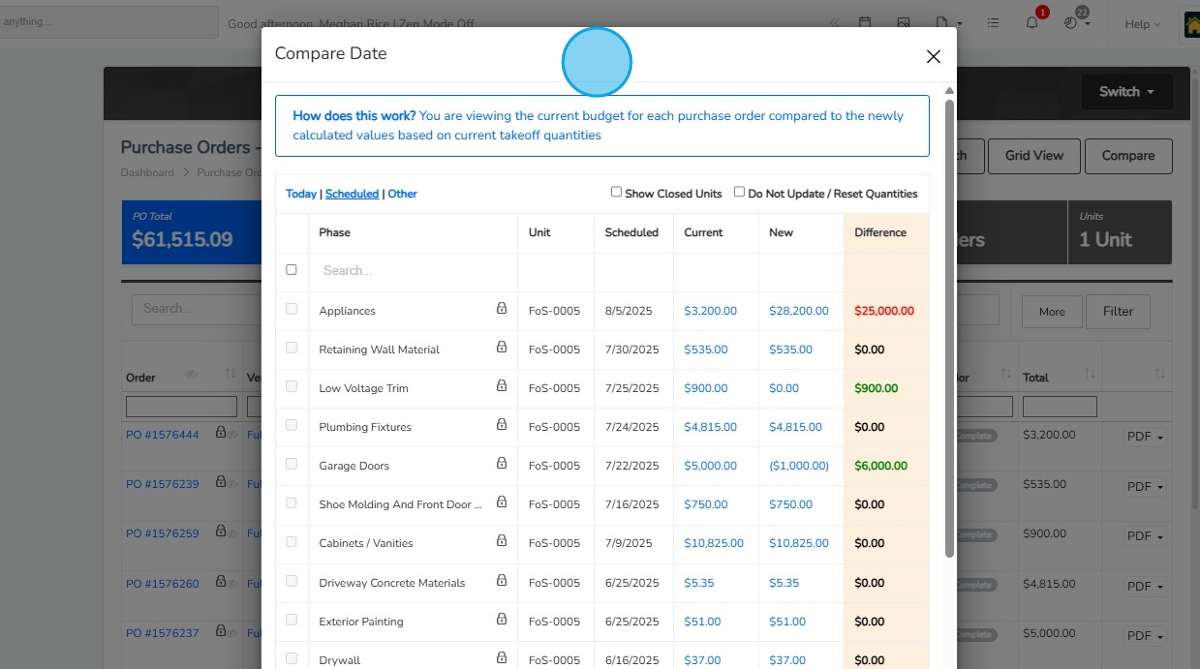
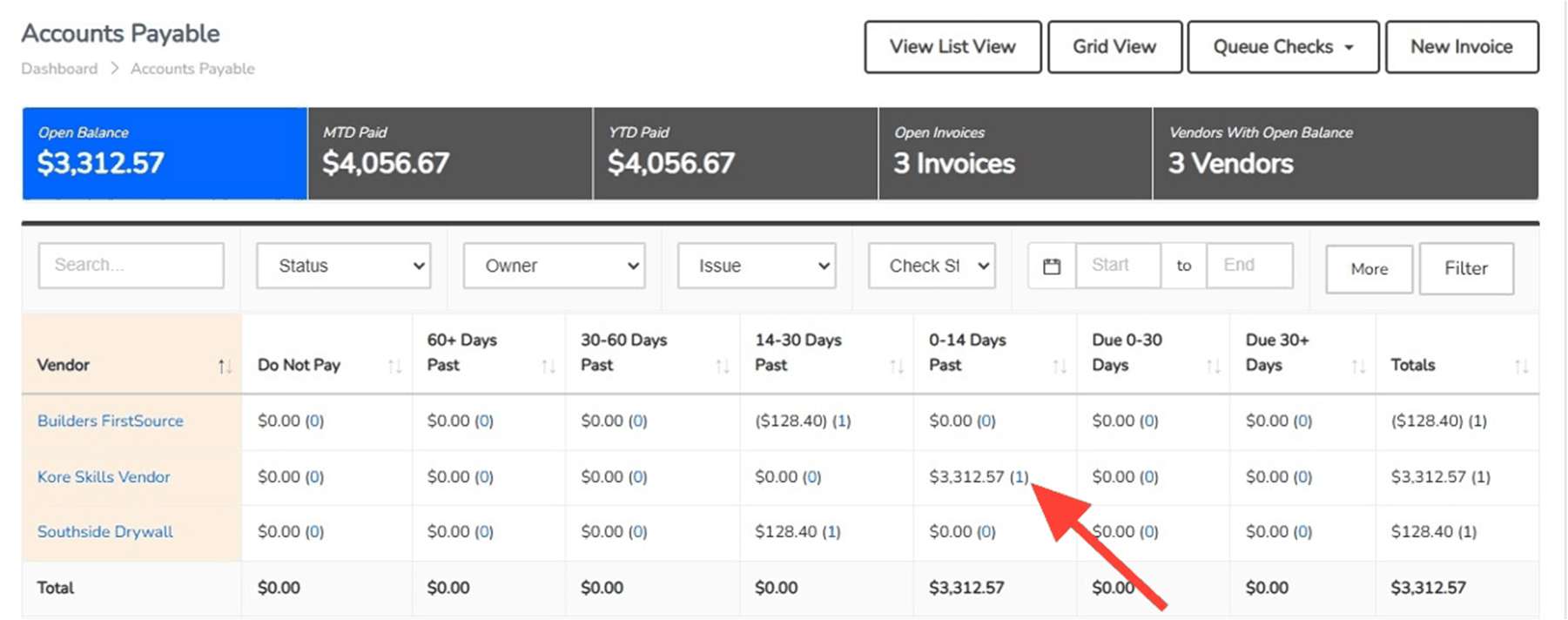
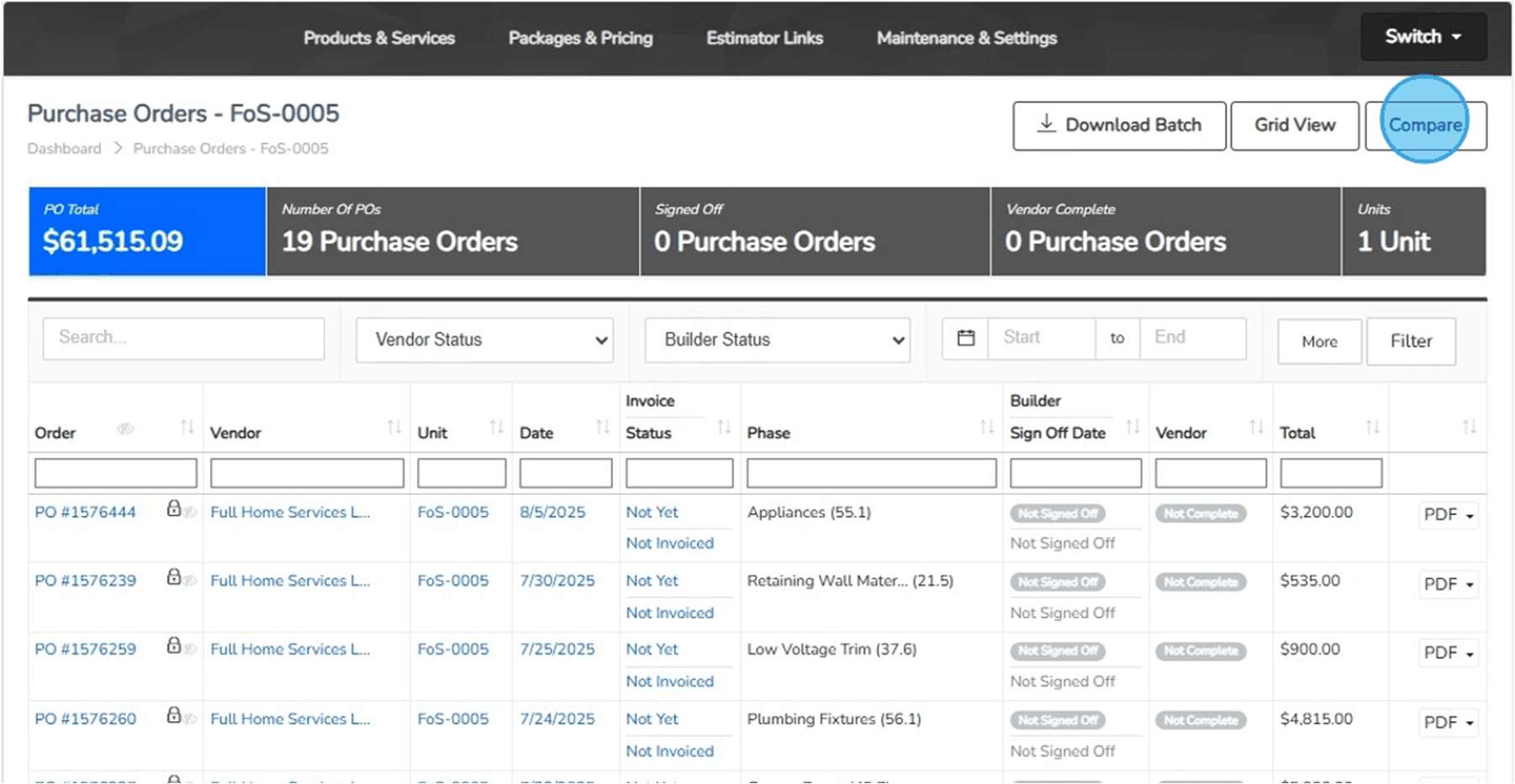
ThreadKore connected project documents, scheduling, purchasing, and construction accounting software into one unified system. For the first time, Ryan could see real-time data across departments.
- Earlier Cost Control: Material cost increases were identified sooner, allowing proactive pricing adjustments.
- Improved Scheduling Visibility: Delays were spotted earlier, helping teams respond before they escalated.
- Reduced Inefficiencies: Rework and small operational gaps were addressed quickly before scaling across projects.
- Stronger Financial Accuracy: Cash flow and margin projections became more predictable and grounded in real data.
- Smarter Expansion Planning: Growth decisions shifted from reactive to structured, supported by connected systems.
With advanced construction document management software, Ryan transformed how leadership made decisions by replacing conflicting reports with real-time operational intelligence.
Real-time visibility into projects, costs, and schedules enables faster, smarter construction decisions.
A Smarter Growth Strategy Built on Real-Time Data
Looking back, Ryan realized the $5M expansion was never the real risk, making the decision without clear visibility was.
Before implementing construction document management software, every department operated with its own version of the truth. Sales saw demand. Operations saw delays. Finance, powered by disconnected construction accounting software, saw margins that didn’t fully reflect what was happening on the ground. The business was growing, but the foundation for that growth wasn’t aligned.
Once ThreadKore unified operations, documents, and financial data, the picture became clearer. Ryan and his leadership team could finally see how scheduling delays affected costs, how material price increases impacted margins, and how small inefficiencies multiplied across communities. Decisions that once relied on assumptions were now backed by real-time visibility.
The expansion didn’t disappear, it simply became smarter. Instead of rushing forward, Ryan adjusted timelines, stabilized operations, and refined projections. When the company eventually expanded, it did so with confidence rather than uncertainty.
What nearly became a costly misstep turned into a turning point.
Avoid costly expansion mistakes with real-time visibility across operations and finances. Use construction document management software to make faster, data-driven decisions and scale with confidence.
FAQ
1. How can conflicting reports lead to wrong expansion decisions in home building?
Conflicting reports often occur when sales, operations, and finance rely on separate systems. For example, sales may report strong demand, while operations face scheduling delays and purchasing sees rising material costs. Without construction document management software connecting these insights, leadership may approve expansions based on incomplete data, leading to underestimated costs, extended build cycles, and reduced margins.
2.What role does construction document management software play during expansion planning?
During expansion planning, builders must evaluate build timelines, vendor performance, design approvals, and material availability. Construction document management software centralizes these operational documents and updates in real time. This allows leadership to identify risks early, such as trade shortages or delayed approvals, before committing to new communities or major investments.
3.Why isn’t construction accounting software alone enough for expansion decisions?
While construction accounting software provides financial insights, it often depends on operational inputs that may be delayed or incomplete. If scheduling delays, change orders, or material cost increases are not reflected quickly, financial projections can appear stronger than reality. When accounting systems integrate with operational and a construction document management software, leaders gain a more accurate and timely view of profitability.
4.How does unified visibility help builders scale across multiple communities?
Unified visibility connects scheduling, purchasing, finance, and project documentation. This allows builders to identify inefficiencies early, improve coordination between teams, and forecast expansion costs more accurately. With integrated construction accounting software, leadership can scale confidently while protecting margins and timelines.
Why Construction Document Management Software Prevents Costly Expansion Decisions
Conflicting reports nearly led Ryan’s team to a $5M mistake. With unified visibility, they shifted from reactive decisions to strategic growth.
- Conflicting reports create risky expansion decisions
- Disconnected systems lead to outdated financial visibility
- Small inefficiencies multiply during growth
- Real-time data prevents margin erosion
- Unified platforms improve operational coordination
- Builders scale profitably with a single source of truth
Ready to expand with confidence? See how ThreadKore helps home builders scale faster, smarter, and more profitably.
