
How Mark, VP of Operations, used vendor management software to regain control of construction scheduling across multiple communities.

Read how Mark got control back on his jobsites

In residential construction, costly project failures rarely start with a single major mistake. More often, they begin with small breakdowns, missed updates, delayed deliveries, or changes that don’t reach every team in time. For mid-sized home builders working across multiple communities, these gaps quickly escalate into idle labor, rework, and shrinking margins.

Mark, a 42-year-old VP of Operations at a growing residential home-building company, lived this reality firsthand. His teams were capable. His vendors were dependable. His processes were documented. But as volume increased, execution started breaking down in ways that weren’t visible until the cost damage was already done.

The core issue wasn’t effort.

It was fragmentation.Design, purchasing, field operations, scheduling, and accounting worked in separate systems, so critical updates didn’t reach the jobsite in time. Mark didn’t need another tool; he needed unified execution.

Construction manager discussing build progress and scheduling updates on a residential jobsite.

Fragmented scheduling and vendor coordination creates blind spots that quickly ripple across multiple builds.

Keep reading to see what went wrong and how ThreadKore’s vendor management software prevented repeat losses by connecting vendor coordination, construction scheduling, and real-time visibility.

Managing Construction Scheduling Across Multiple Communities Without Shared Visibility

Mark managed operations across several residential communities where dozens of homes moved through tightly linked phases at once. Design finalized selections, purchasing ordered materials, field teams coordinated trades, and accounting tracked costs.

But each function relied on its own tools and workflows, which made it difficult to maintain a single, shared view of what was happening on every home at every stage. When a vendor delivery shifted or a field condition changed, the update often stayed trapped in one team’s system. 

But each function relied on its own tools and workflows, which made it difficult to maintain a single, shared view of what was happening on every home at every stage. 

Over time, Mark’s schedules became less predictable, even though the teams were working hard.

How a Kitchen Upgrade Exposed Gaps in Construction Scheduling and Vendor Coordination


Construction scheduling breakdown caused by vendor delays and missing materials.

Construction scheduling breakdown caused by vendor delays and missing materials.

The warning sign appeared during what should have been a routine custom kitchen installation. A buyer had selected a marble countertop, with specifications finalized by design and ordered by purchasing. The installation was scheduled, trades were lined up, and everything looked aligned.

Then the delivery date slipped.

The vendor flagged the delay, but the update never reached the field team’s schedule. Construction scheduling stayed unchanged. On installation day, the crew arrived on time—only to find the countertop missing. Labor hours were wasted, the trade had to be rescheduled, and Mark stepped in personally to prevent the delay from spreading.

When the countertop finally arrived, the problem escalated. During framing, site measurements had shifted slightly. Field operations documented the change, and design updated the dimensions, but purchasing had already placed the order using the original specs. The countertop didn’t fit. A reorder became unavoidable, pushing the kitchen timeline back again.

Field operations documented the change, and design updated the dimensions, but purchasing had already placed the order using the original specs. The countertop didn’t fit. A reorder became unavoidable, pushing the kitchen timeline back again.

That single breakdown triggered a chain reaction. Cabinet work paused. Plumbing and electrical rough-ins were rescheduled. Trades were moved in and out of tight calendars. Materials started arriving too early for some homes and too late for others. Mark spent days coordinating fixes across teams, trying to stabilize schedules that were no longer tied to real-time conditions.

What hit Mark hardest was not the countertop failure. It was how easily the disruption spread across homes because no one owned the full chain of dependencies. The teams were doing their jobs, but the process relied on manual coordination to keep everyone aligned. Mark realized that as build volume grew, this kind of execution would break again and again. If they wanted predictable construction scheduling across communities, they needed a unified system that connected vendors, field updates, and schedules in real time.

Discovering ThreadKore’s Vendor Management Software and Unifying Operations

The turning point came during a conversation with another operations leader at a regional home builder facing similar growth challenges. After hearing Mark describe the kitchen issue, the response was blunt: We had the same problem, until we unified everything.” That conversation led Mark to explore ThreadKore’s vendor management software.

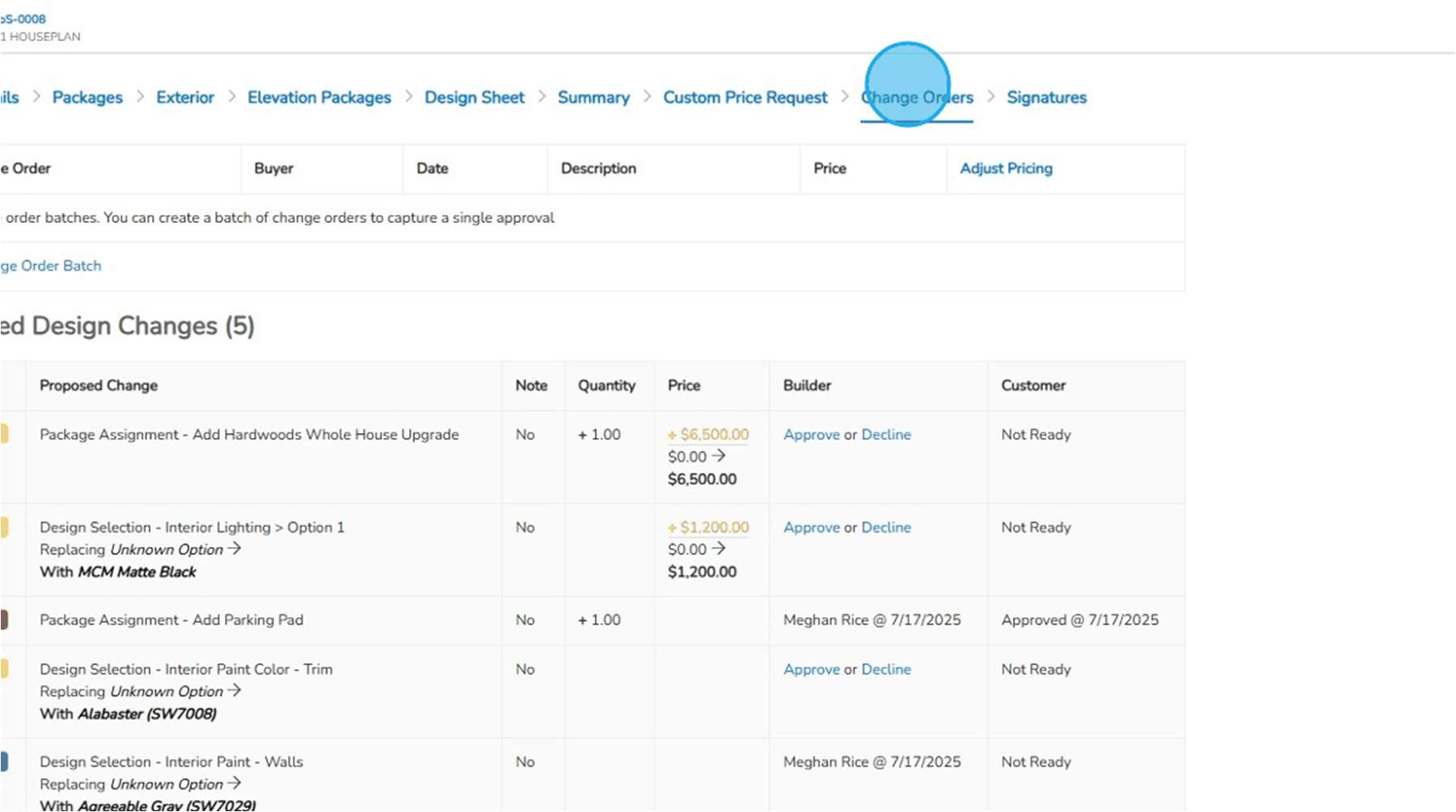
What stood out immediately was that ThreadKore wasn’t another point tool layered onto existing systems. It was built as a single, unified platform for home builders, connecting design, purchasing, construction scheduling, vendor coordination, field operations, and accounting in real time.

What stood out immediately was that ThreadKore wasn’t another point tool . It was built as a single, unified platform for home builders, connecting design, purchasing, construction scheduling, vendor coordination, field operations, and accounting in real time.

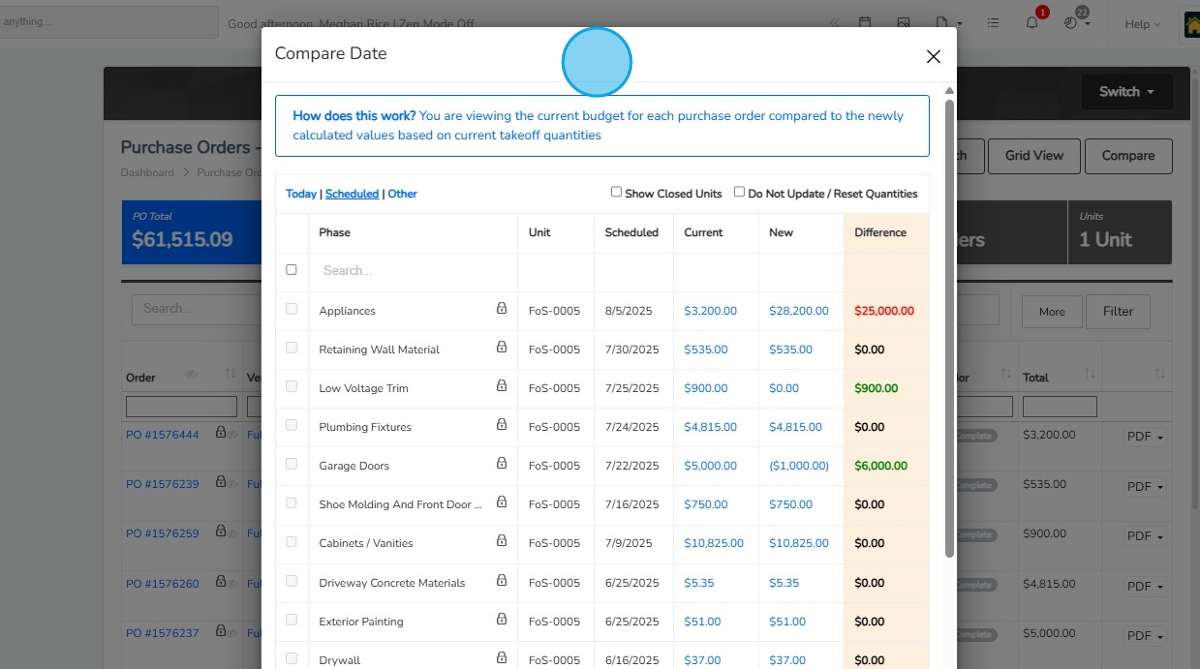
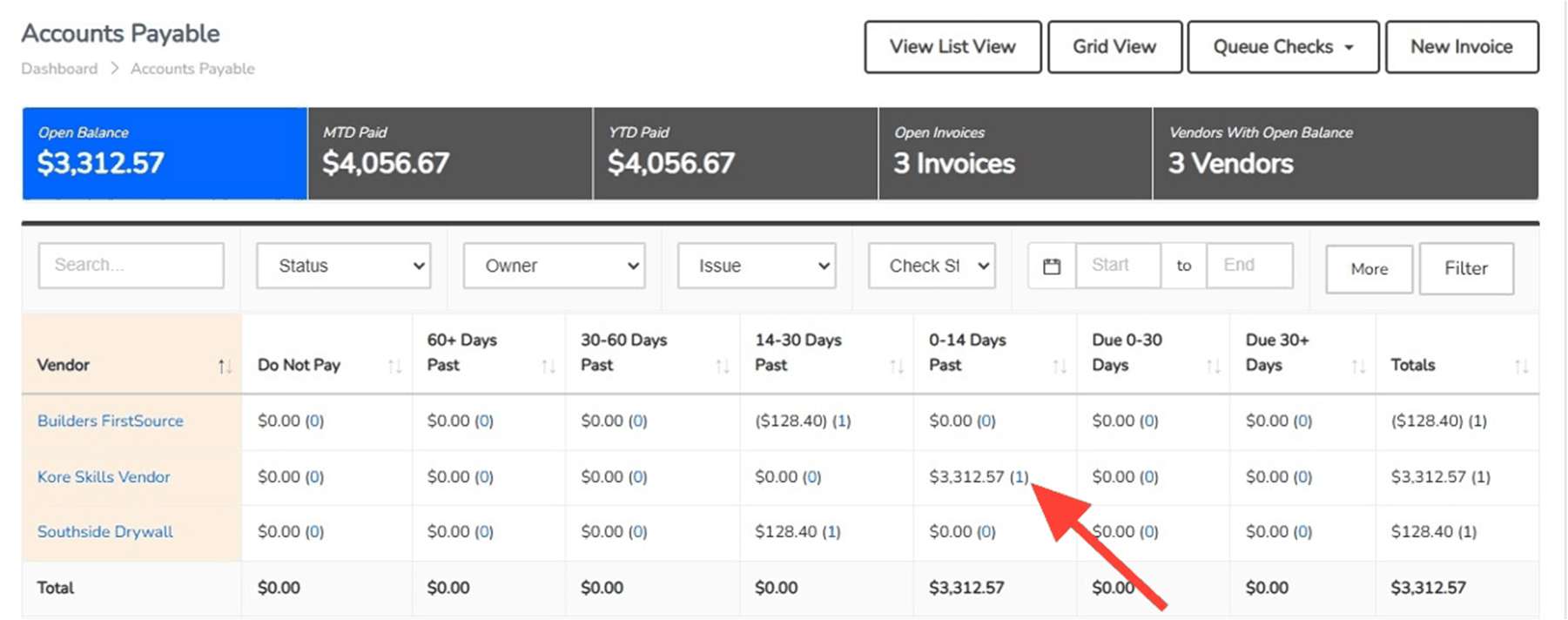
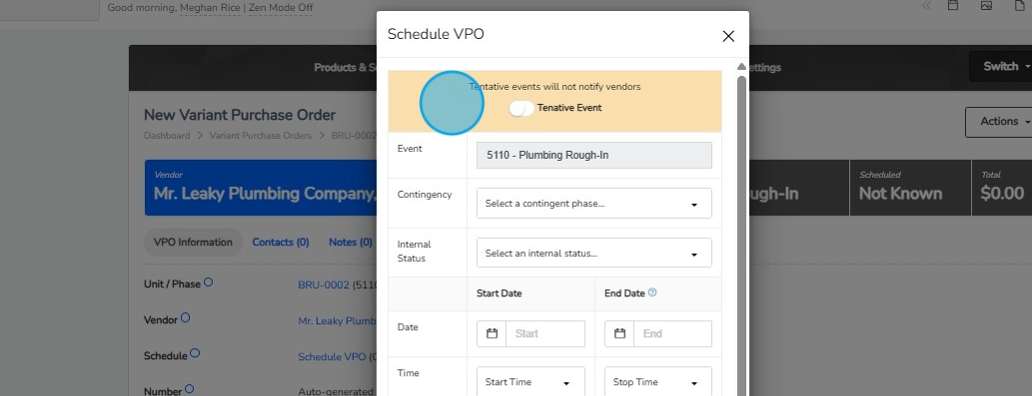
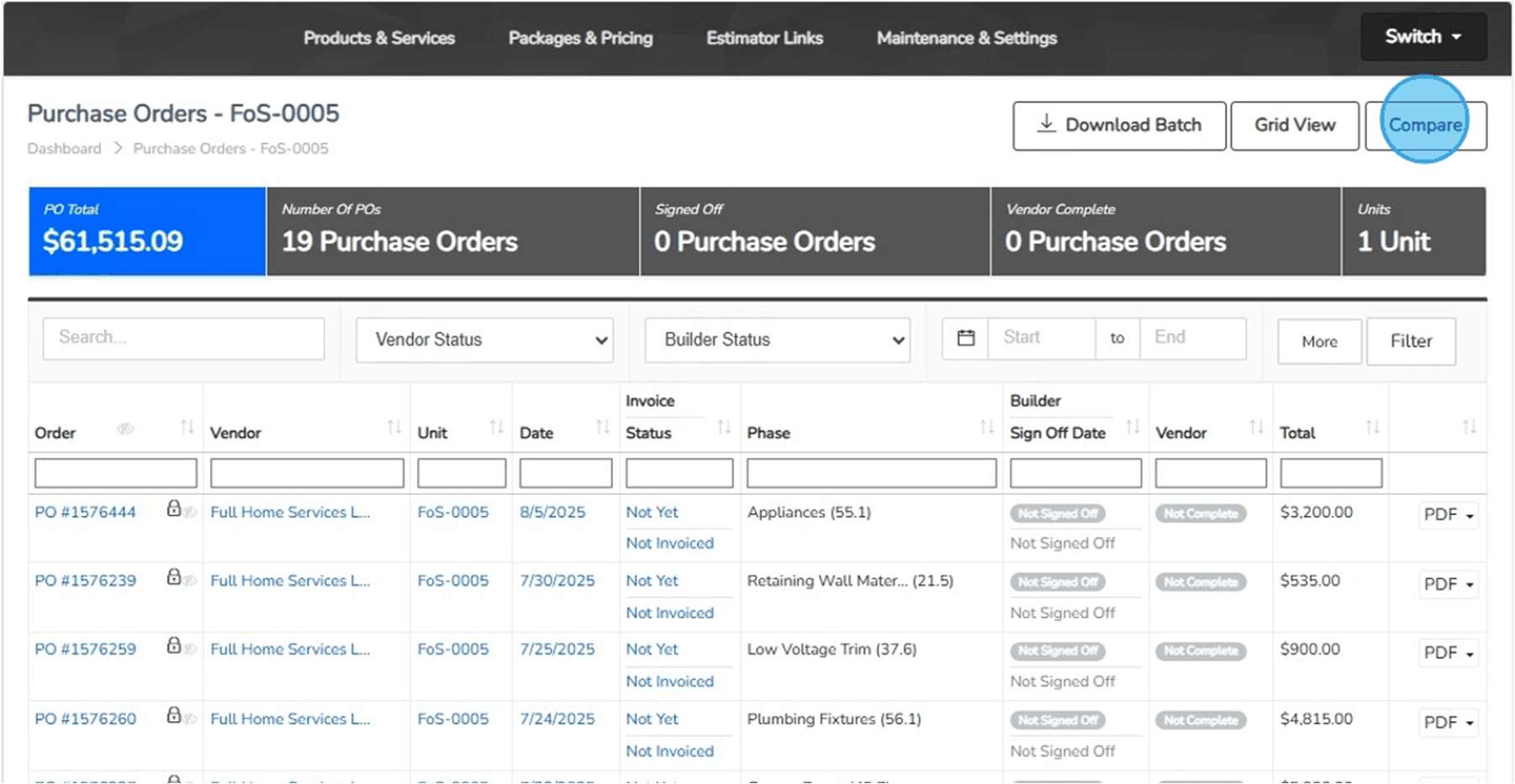
Once implemented, vendor management software stopped being a disconnected function. Delivery delays became visible the moment they occurred. If a shipment slipped, dependent trades were automatically rescheduled. When field teams updated site conditions, purchasing and finance saw the cost impact immediately, while the first home was still being built.

The difference between before and after was clear. Earlier, one missed update led to idle labor, reorders, and weeks of rework. With ThreadKore, issues were caught early and corrected once, before being replicated across dozens of homes due to poor construction vendor management.

Idle labor dropped. Rework declined. Schedules stabilized across communities. For the first time in months, Mark felt confident that his vendor management software was supporting growth instead of slowing it down.

How ThreadKore’s Vendor Management Software Removes Risk

  • Vendor delays are flagged before schedules fall apart
  • Trades are coordinated to prevent idle labor and rework
  • Updates and specifications stay aligned across teams
  • Scheduling adjusts automatically when conditions change
  • Construction execution remains predictable as volume scales 

A construction worker holds a tablet in front of a building, reviewing plans or data on the device.

Construction site supervisor reviewing project data on a tablet in front of a wood-framed structure under development.

How Unified Vendor Management Software Restored Predictable Construction Execution

Mark’s experience reflects a broader reality for mid-sized home builders. Disconnected systems don’t just slow projects, they quietly create financial and operational risk. By unifying operations with ThreadKore, Mark didn’t just fix a scheduling issue. He restored visibility across teams and eliminated the blind spots that caused problems to multiply.

With real-time data, issues were identified early instead of being replicated across dozens of homes. Idle labor was reduced, rework declined, and schedules stabilized. For builders managing growth across multiple communities, modern vendor management software isn’t optional, it’s the foundation for scaling confidently and protecting margins.

FAQs

1. How does vendor management software reduce construction delays?

It provides real-time visibility into deliveries, dependencies, and vendor activity so teams can adjust before delays cascade.

2. Why are construction timelines so sensitive to small disruptions?

Because trades, materials, and site conditions are tightly interdependent. Without shared data, a single delay can trigger multiple downstream issues.

3. How does construction vendor management protect margins?

Better coordination reduces idle labor, reorders, and rework, directly protecting profitability.

4. Is this approach suitable for mid-sized home builders?

Yes. Builders managing multiple communities benefit most from unified systems that scale without added complexity.

Stop Costly Delays Now with Vendor Management Software Built for Construction

Modernize vendor management software to prevent cascading delays and restore predictable construction execution.

  • Real-time visibility prevents cascading schedule failures
  • Unified scheduling eliminates idle labor and rework
  • Automated coordination scales with growing build volume
  • Live vendor updates correct issues before impact
  • Connected jobsites stay aligned across communities

Powered by MarketEngine from StartupWind